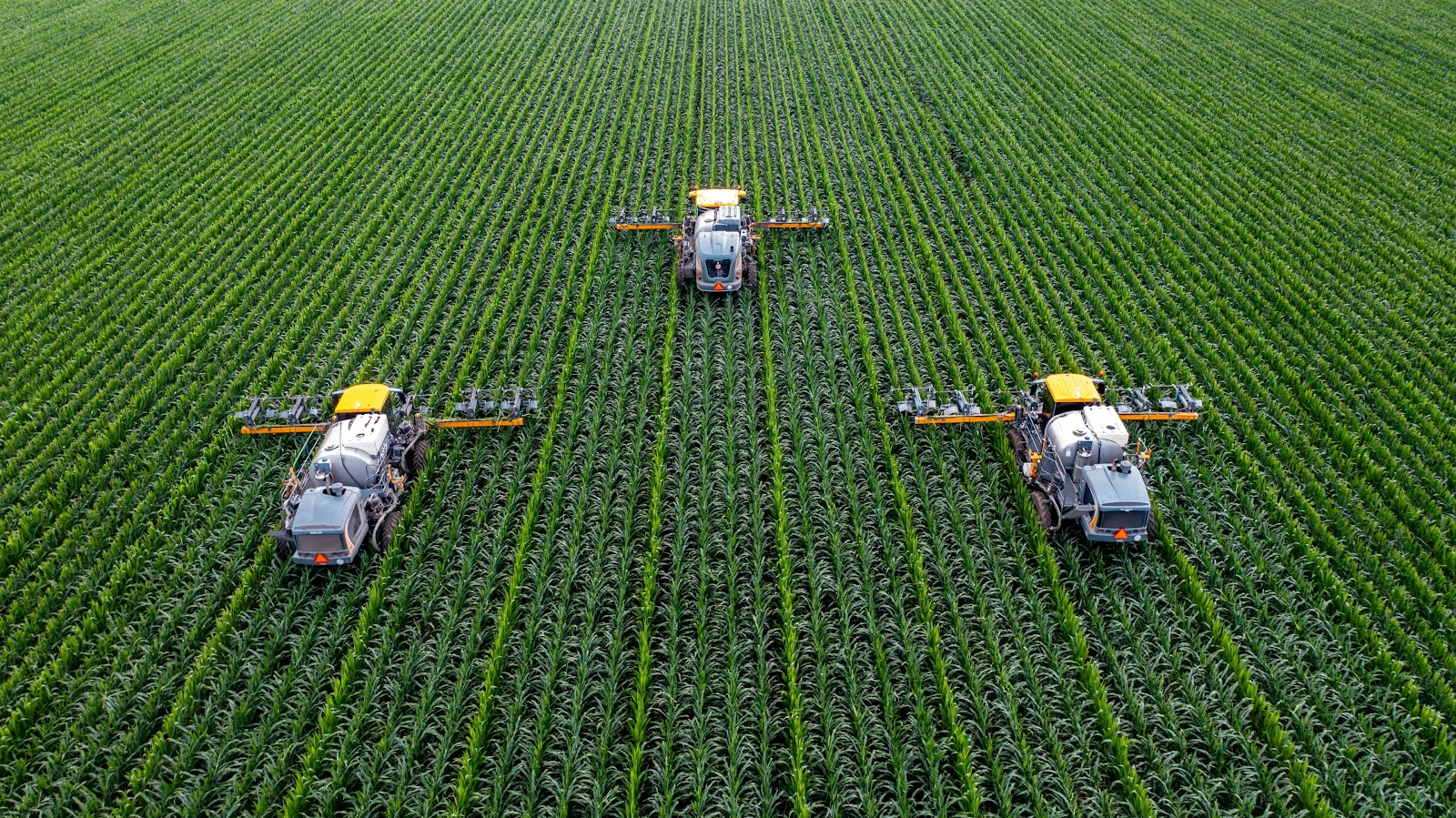
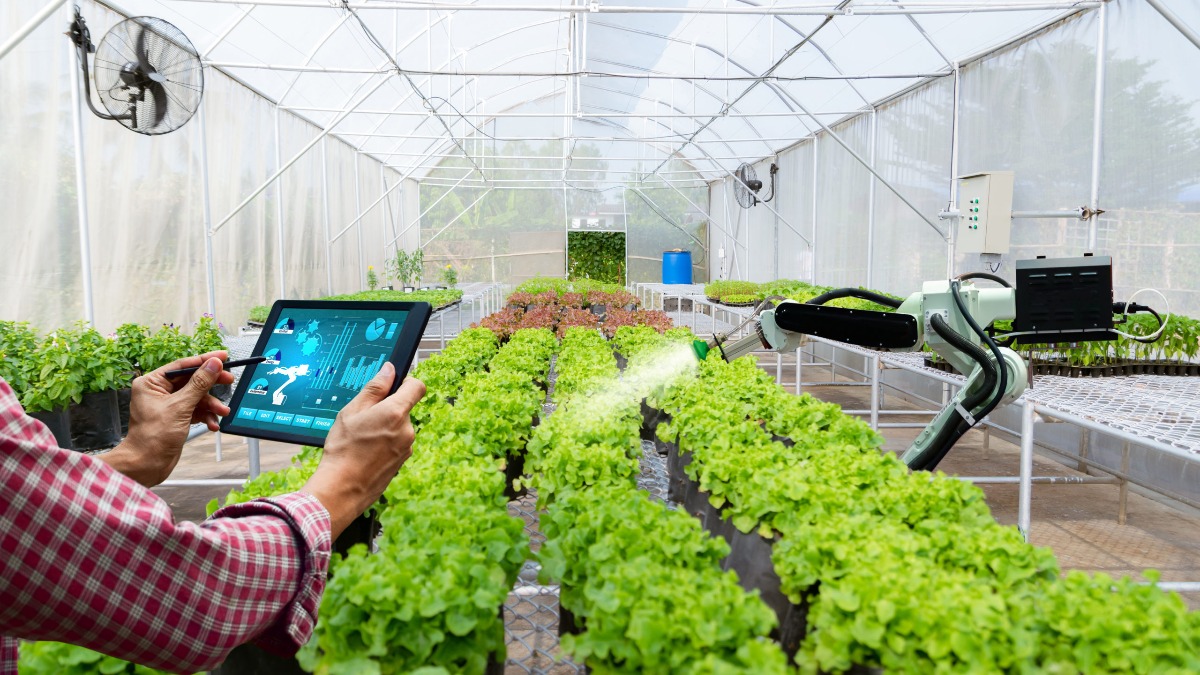
Lab research plays an important role in developing new agricultural products and techniques, but real farming conditions are far more complex than controlled environments. Soil variability, weather fluctuations, pest pressure, and management practices all interact in ways that cannot be perfectly replicated in a lab. That’s why on-farm trials are essential — they test solutions where they actually need to work: in the field, under real-world pressure.
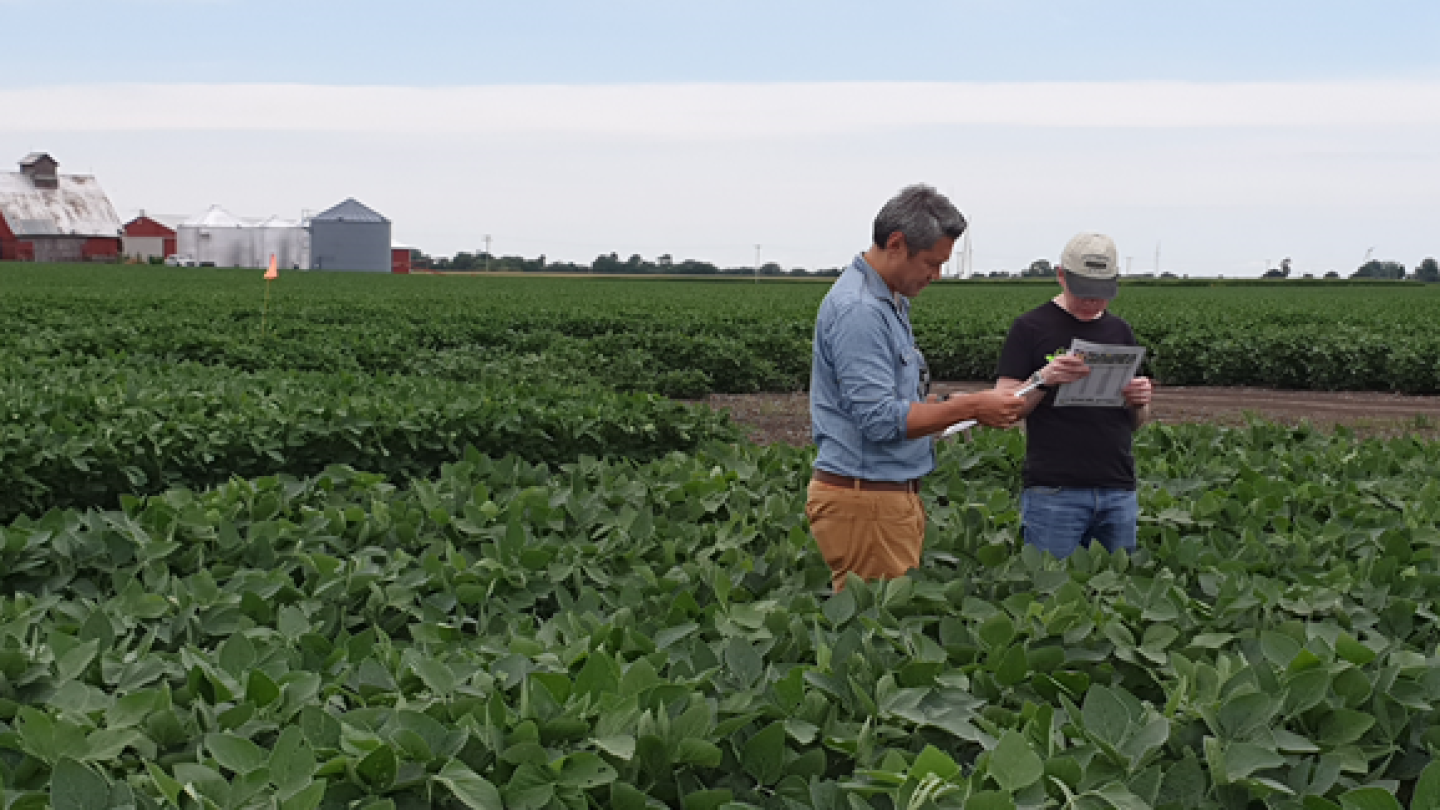
On-farm trials provide practical, location-specific insights that farmers can trust. A product that performs well in a greenhouse or lab setting may not deliver the same results across different soil types, irrigation systems, or climate zones. Field trials reveal how crops respond across seasons, management styles, and unexpected stress factors. This helps farmers make decisions based on outcomes that match their own operating conditions rather than ideal scenarios.
Another key advantage is credibility and adoption. Farmers are more likely to adopt new inputs or practices when they see proven results from farms like theirs. Demonstration plots and side-by-side comparisons show measurable yield, quality, and cost impacts. These visible, data-backed results reduce risk and build confidence far more effectively than technical reports alone.
Ultimately, lab results start the conversation — but on-farm trials finish it. They bridge the gap between theory and practice, turning scientific potential into field-proven performance. When decisions affect yields, profits, and sustainability, evidence from real farms matters most.