Farmers around the world are under growing pressure to produce higher yields while reducing costs and minimizing environmental impact. Rising fertilizer prices and soil degradation have made traditional “more is better” approaches less effective and less sustainable. In response, many farmers are now turning to smarter nutrient management strategies that focus on efficiency instead of volume — and the results are impressive. New methods are showing that it’s possible to maintain — and even increase — crop yields while using up to 50% less fertilizer.
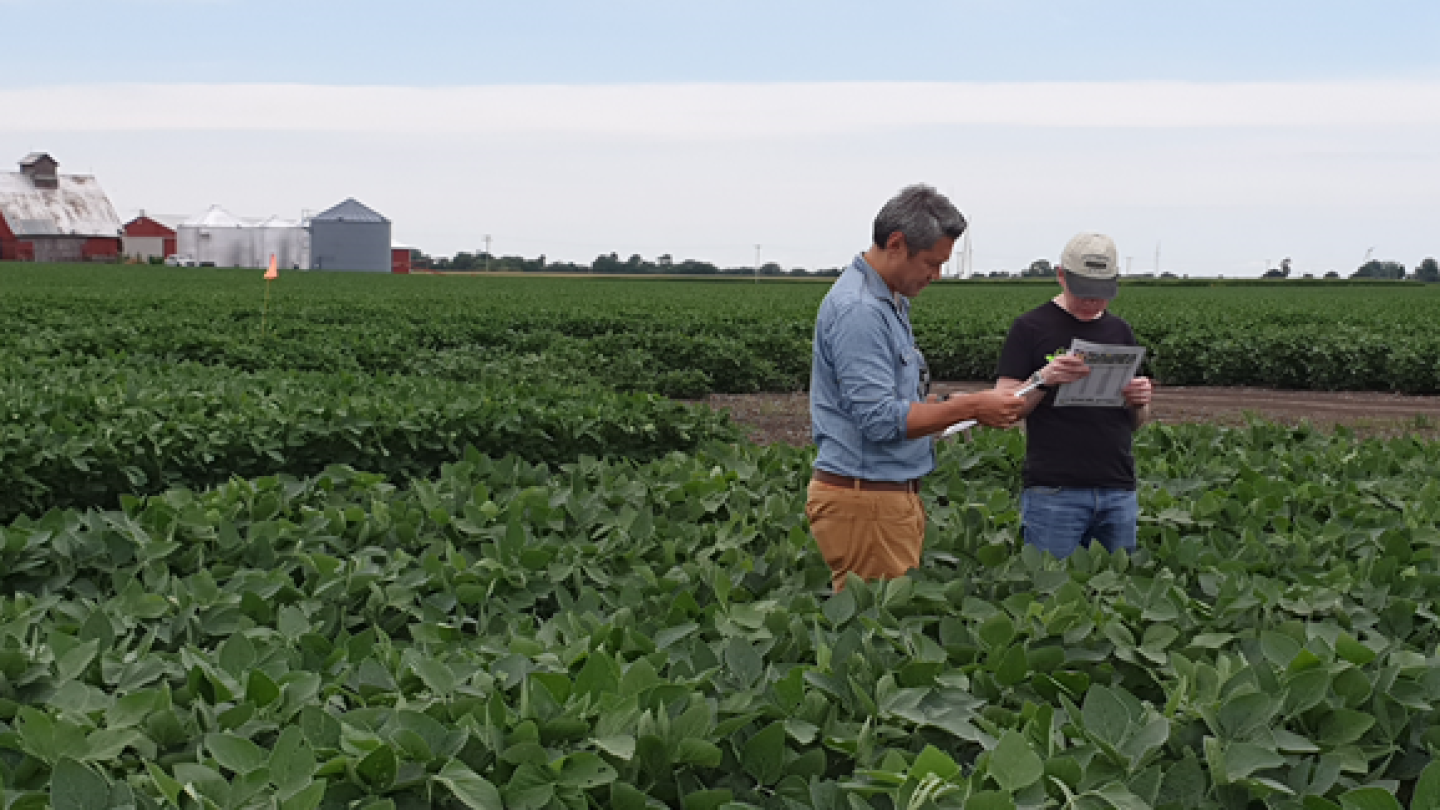
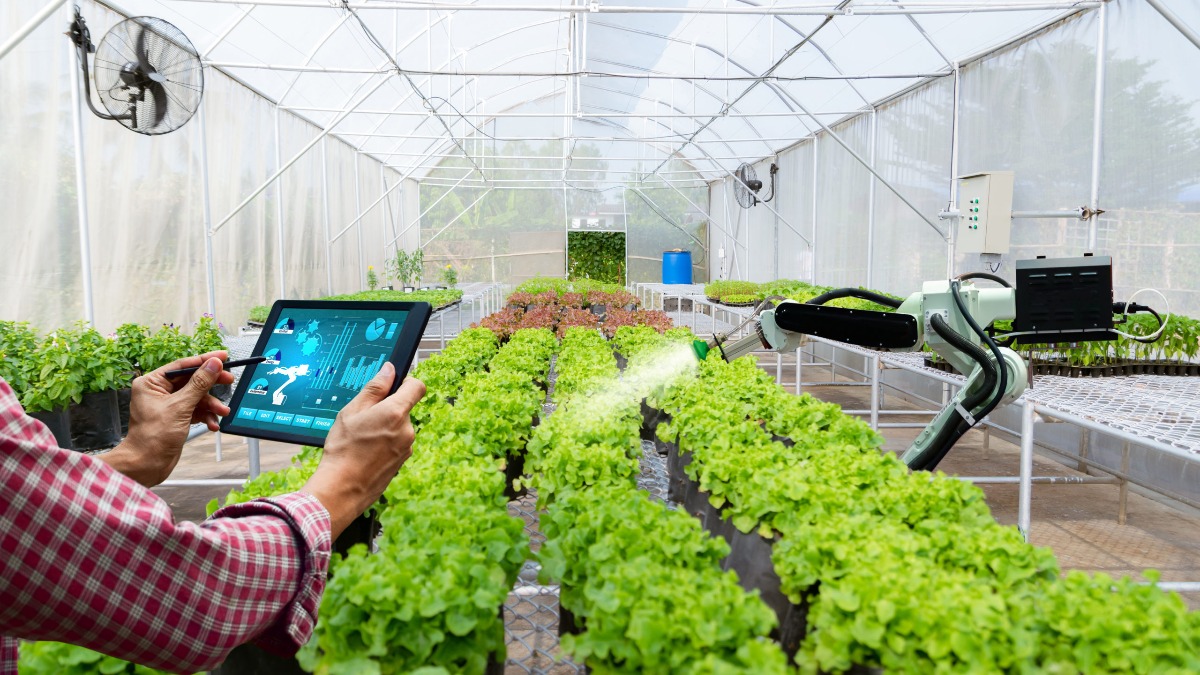
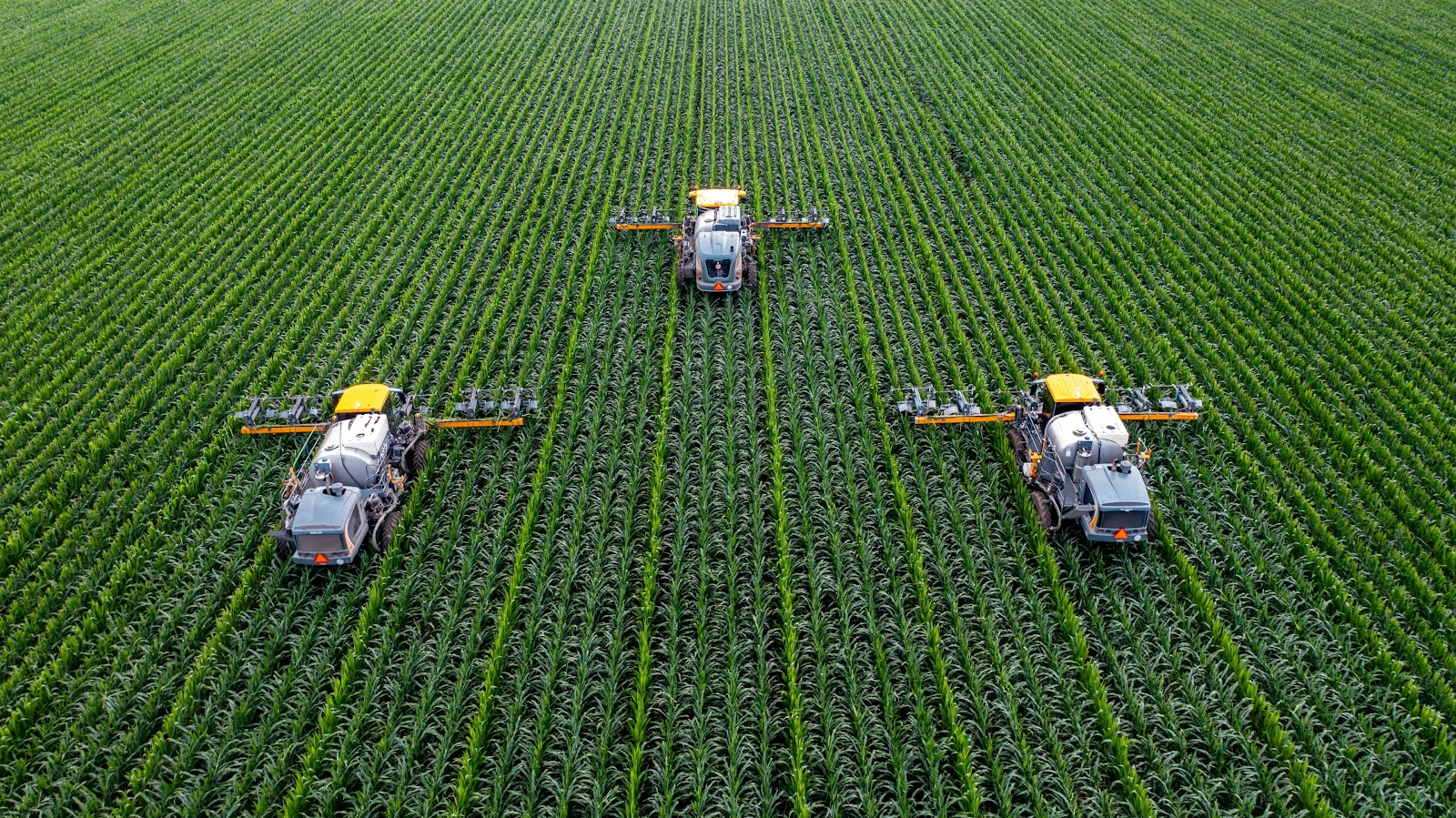
One key shift has been the adoption of precision agriculture techniques. By using soil testing, field mapping, and crop sensors, farmers can apply nutrients exactly where and when they are needed. Instead of spreading fertilizer evenly across an entire field, variable-rate application targets specific zones based on soil health and crop demand. This reduces waste, prevents over-application, and ensures plants receive the right nutrients at the right growth stages.
Another important factor is the use of enhanced-efficiency fertilizers and biological soil supports. Slow-release formulations, micronutrient balancing, and beneficial microbes help plants absorb more nutrients from smaller inputs. Practices such as cover cropping, organic matter addition, and improved irrigation management also boost nutrient uptake by strengthening soil structure and root development. Healthier soil means fertilizer works harder and lasts longer.
Together, these innovations show that higher productivity doesn’t have to come from higher input. Farmers who adopt data-driven and soil-focused approaches are proving that cutting fertilizer use by half can still lead to strong yields, lower costs, and more resilient farming systems. This shift not only improves farm profitability but also supports long-term environmental sustainability.