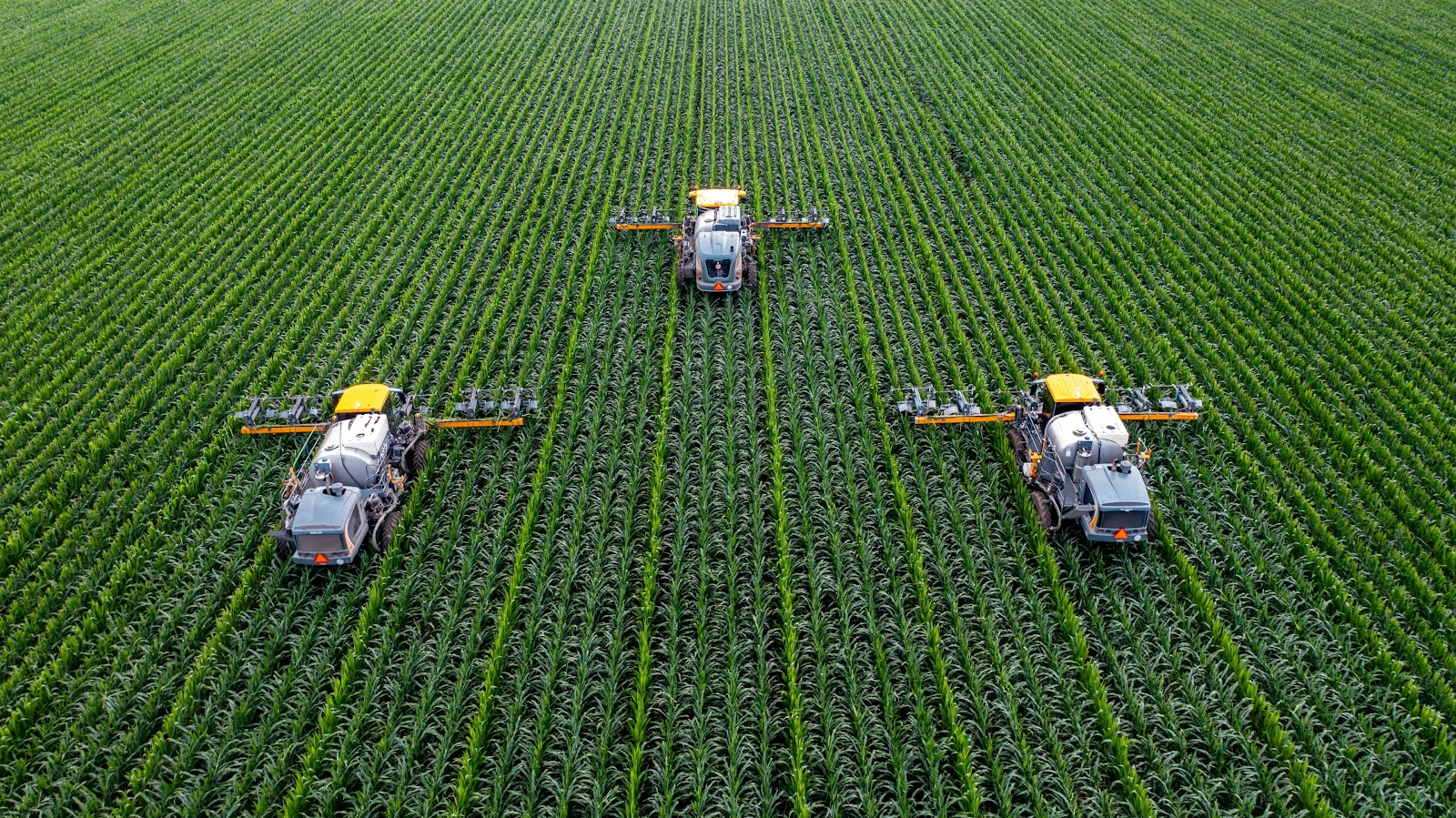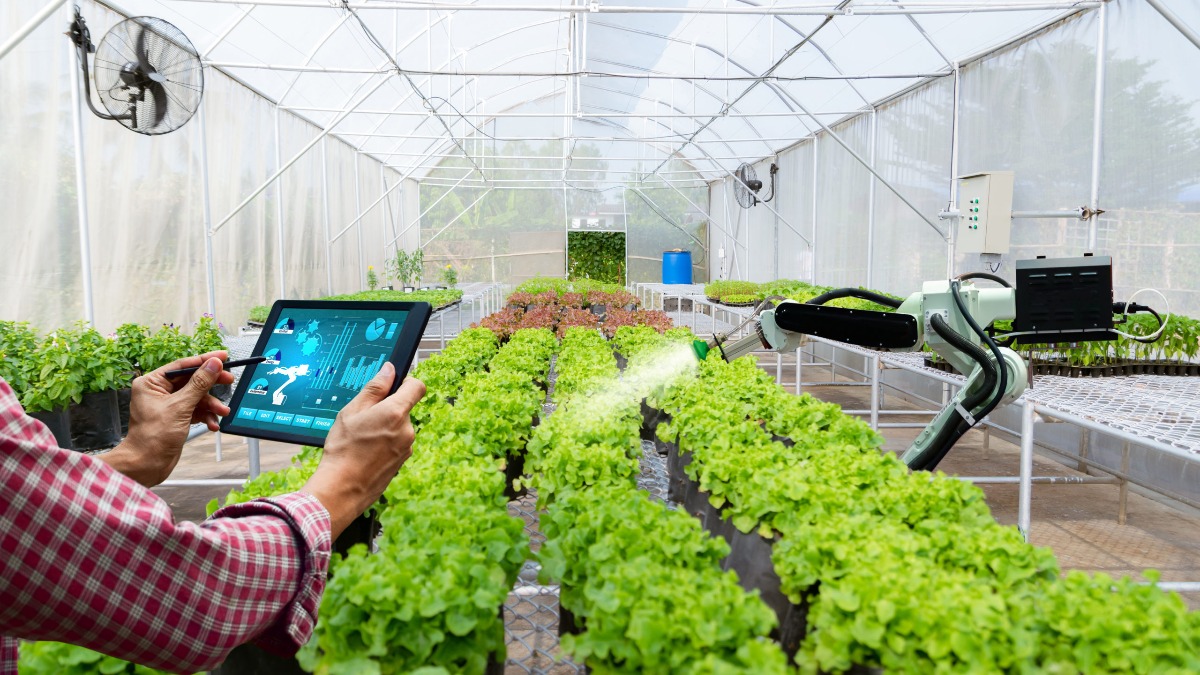
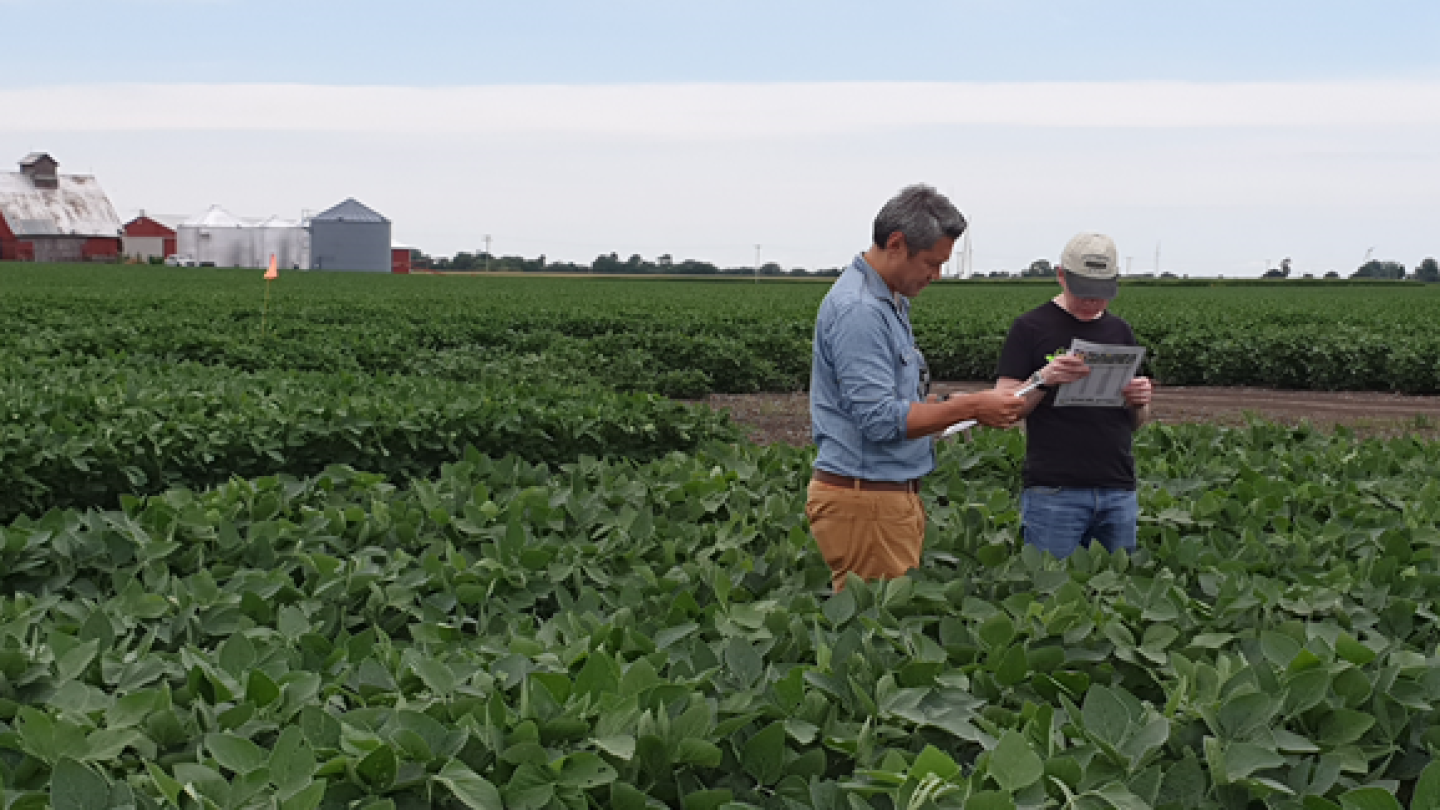
From field trials to real farm profits, the story of modern agriculture is increasingly being told through data. Field trials are no longer just experimental plots — they are decision engines that help farmers understand which seeds, inputs, and practices truly deliver results. By testing crop varieties, fertilizer strategies, irrigation patterns, and protection methods under controlled conditions, growers can compare performance side by side and remove guesswork from major investments.
What the numbers often reveal is that small adjustments can produce significant gains. Yield differences of even a few percentage points, when scaled across large acreage, can translate into substantial revenue increases. Trials frequently show that the highest-cost input is not always the highest performer, and that soil health, timing, and localized practices often matter more than brand or price alone. This evidence helps farmers allocate budgets more efficiently and reduce risk.
Beyond yield, field data also highlights profitability factors such as input efficiency, resilience to weather stress, and consistency across seasons. A variety that performs slightly lower in peak yield but shows stable results year after year may ultimately generate stronger long-term returns. Numbers from multi-season trials give farmers confidence to choose reliability over hype.
In the end, turning field trial insights into farm profit comes down to disciplined measurement and smart adoption. When growers track results, compare outcomes, and refine practices based on evidence, every season becomes an opportunity to improve margins. Data doesn’t replace experience — it strengthens it — helping farms move from experimentation to dependable profitability.